


LinkedIn, the Microsoft platform for professional networking, updated its policy regarding hateful and offensive content a few days ago. Specifically, they have removed wording that constituted a clear stance against harassment directed at trans people.
The change was discovered by Open Terms Archive, an organization and service that monitors changes in terms of service and policy texts since early 2023.
The changes follow a clear pattern where a number of large American companies and authorities have downplayed – or completely deleted – content that expresses support for diversity, equity and inclusion. This follows the American president's demands for exactly this, and all major tech platforms in the USA have chosen to scale down, or remove, stated protections against hate speech. Particularly when it concerns trans people.
In LinkedIn's case, they have now removed the clarification that deadnaming and misgendering are prohibited.
- Deadnaming refers to when a trans or non-binary person is addressed or referred to by their previous name after choosing a new name, with a wish for their birth name to be kept private.
- Misgendering happens when someone keeps referring to a trans person using pronouns that don't match their gender identity.
Note that deadnaming can contribute to immediate danger, given there are many prejudiced and violent people. Trans people are threatened, murdered and harassed all over the world. Deliberately using the wrong name also communicates how one chooses to see another human being and wishes for them to be treated. It's happened that malicious individuals systematically search long hours for names that their targets no longer want to be associated with.
Hold Platforms Accountable
When Meta made changes in January and removed several stances against hateful content – including those concerning gender identity – Mark Zuckerberg described it as "restoring free speech." The tech emperors enjoy not having to take responsibility. And having the power to give voice to their own prejudices.
Free speech is of course really about platforms being able to choose which values they want to live by. But then we as users should also demand transparency on exactly this. And we need to decide how our own actions constitute silent consent for things that can be directly harmful to others, or communicate a held position.
The date given for when LinkedIn's policy was last changed has been updated, but the reason for the changes has otherwise not been communicated in their Trust & Safety blog, which is usually standard practice.
In light of this it's important to react to LinkedIn's actions and talk about it. Anything but silence. When far-right propaganda is allowed to spread, this type of event is just the beginning. It's a way to gauge whether there is any real resistance or if most people just give in. Silence signifies consent to let them move forward in the same spirit with the next constructed social group on the list.
I am confident that letters of protest will appear. Sign them. It may not feel like it helps, but it's far better than silence. And those who feel the hardest hits need more support, more people to react.
It took years of struggle to get these wordings into the policy documents. It took seconds to delete them.
I now have to pause and consider how I will manage my own presence on LinkedIn going forward.
Note: The changes have occurred in the English-language text. When Open Terms Archive made checks, it seems that other language versions have not been updated since their monitoring started. That is somewhat odd in itself.
References
 Matti Schneider
 Christopher Wiggins
 Christopher Wiggins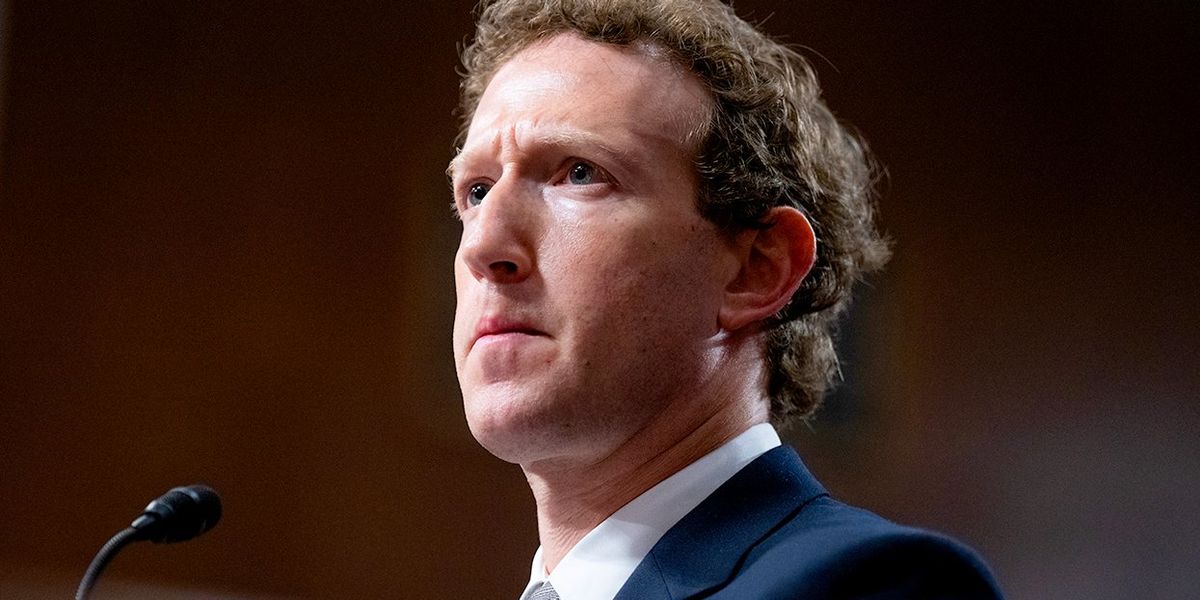
 Leanna Garfield
 Shreshtha Das, Gender Advisor/Researcher at Amnesty International


Member discussion